
TALG's lectures are held at Harcourt United Church, 87 Dean Avenue in Guelph, and simultaneously streamed online. You may choose to attend in person or by watching from home. All registrants will receive a weekly email with the link to Wednesday's lecture. If you opt to watch online, please note the lecture is available only at the regularly scheduled time; lectures do not remain online for viewing at later times or dates.
Our Winter 2027 session will begin Wednesday, January 20th. Please see full series information and lecture details below.
Winter registration is open now until Wednesday, January 13th at 6pm; please proceed to our Registration page to register. We don't accept late registrations.
AM Series: Wednesdays January 20, 2026 to March 10, 2027, 10am - noon
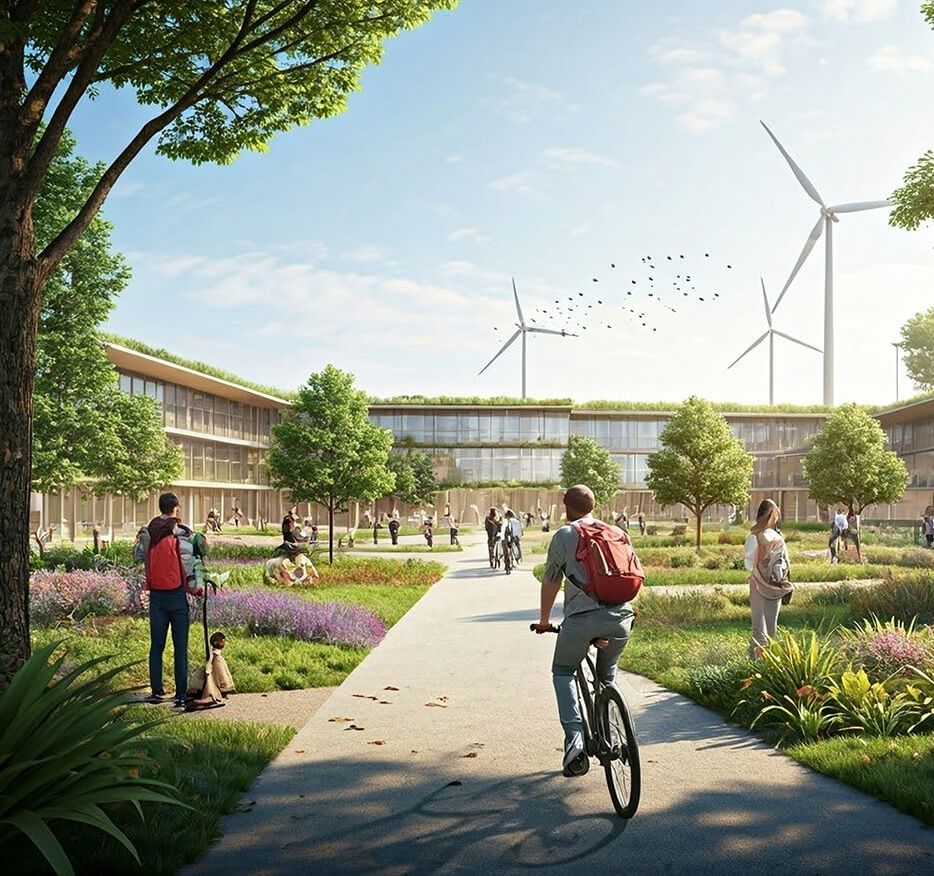
Cities are complex entities, dramatically shaped by the physical, biological, and especially human landscape. And while sometimes their size alone makes them seem beyond the scope of humans to enact meaningful changes, there are individuals doing just that, sometimes in ways that affect their local community, and sometimes in ways that start new trends or practices that spread worldwide. In this series, we will hear some of the story of Guelph’s own growth and development as a city. We will also hear about the remarkable efforts of a major city, in this case Toronto, to reclaim its previously neglected waterfront land for use by the community. We will learn about practical research on the importance of well-situated and well-used public space in urban design, and about the importance of green space — mini-forests and public gardens — in building a sense of community. Finally, we will hear about some of the housing options available for “third agers”, and where development of the University of Guelph campus and its extensive real estate holdings may be headed.
Ian Panabaker
As a kick-off to the winter series, this lecture will be using the urban history of Guelph as a window into how cities are made generally. Guelph has a fascinating and unique origin story but also contains examples of many later eras of city-building as municipalities began to systematically plan their development. Our modern planning environment is a relatively new phenomenon in this history of ‘city-making’. Why do parts of the city feel and function differently? How did these various layers of the city get made? How does modern planning practice, and the industry it regulates, create the city of today? Cities are the true representative measure of how we organize ourselves, our lives and our livelihoods, and this can often be in conflict with the idealized image we hold. This session hopes to frame these questions for the rest of the series but also challenge assumptions about the current state of planning, as it also looks to the opportunities ahead.
Ian Panabaker
Ian Panabaker, CAHP, MRAIC, is Vice President, Development for Wood Development Group, a Guelph-based development and property management company. Trained in architecture at the University of Toronto, Ian began his career in heritage conservation practices in Toronto working on a wide variety of restoration and urban projects. Later, Ian joined the City of Guelph as its first Heritage Planner and Urban Designer, then formed the Downtown Renewal Office which helped advance the Downtown Secondary Plan, associated Community Improvement Plans as well as the redevelopment of Market Square. Now back in the private sector, Ian leads development projects including the major Ward site known as ‘Plant No. 2’ adjacent to downtown Guelph.
You may contact Ian Panabaker following the lecture at ian@panabaker.ca.
Shannon Baker
The Port Lands Flood Protection and Enabling Infrastructure (PLFP) Project is a $1.35B project led by Waterfront Toronto that has flood protected approximately 250ha of flood vulnerable lands, transforming over 30 hectares of industrial brownfields into a naturalized river valley system and unlocking the area for revitalization and facilitating billions of dollars in investment. A comprehensive vision for the re-naturalization of the river has been developed, recreating a river which then acts as an organizing structure for the recently opened Biidaasige Park that will become catalysts for a range of memorable activities and experiences. At the intersection of two major systems – urban waterfront and natural river corridor – the project focuses on flood control, nature-based solutions, and placemaking to bring the Don Valley and Toronto’s public realm together in a robust and meaningful way. PLFP is a generational landscape infrastructure project setting an international precedent for resiliency and climate adaptation.
For further information or reference material related to the lecture, please refer to the following:
Port Lands Flood Protection Program — Canada in a Changing Climate
Michael Van Valkenburgh Associates Inc | Biidaasige Park at the Port Lands
Opening Biidaasige Park and the New Don River
Shannon Baker
Shannon Baker, OALA, FCSLA, RPP, is Director, Design at Waterfront Toronto. Her 25-year practice has involved award-winning concrete and speculative work across Canada and internationally and has always been situated at the intersection of landscape, ecology, and urbanism. Throughout her career, Shannon has led projects that explore the past and present of the landscape, examining cultural uses in relationship to ecological systems through the lenses of current design philosophy and emerging technologies. She is passionate about urban rewilding, reconnecting people with nature, integrated climate adaptation and regenerative design.
You may contact Shannon Baker after the lecture at sbaker@waterfrontoronto.ca.
Mervyn Horgan and Saara Liinamaa
Public spaces are an essential collective resource for building social connections and combatting social isolation. Versatile and accessible public spaces provide points of contact between strangers in ordinary yet meaningful ways. Think about simple interactions such as expressions of gratitude when someone assists with a child’s stroller on the bus, laughing about animal behaviour at a dog park, or small talk about the weather on a park bench. Every day, people who do not know one another have these sociable encounters in public spaces like parks, playgrounds, ice rinks, sidewalks, and city buses. In this lecture, we share a range of findings from the multi-year federally funded Sociable Cities Project, where we worked with a team of social scientists to research how sociable encounters between strangers can transform the meaning, inclusivity, and use of public spaces. Our research underscores that vibrant and just cities require public spaces that bring together a diversity of users and uses.
Mervyn Horgan
Mervyn Horgan is full professor in the Department of Sociology & Anthropology at the University of Guelph and Faculty Fellow at the Center for Cultural Sociology at Yale University. He has a long-term interest in public space, in particular interactions between strangers in cities, and has published a range of research on this topic and others. He most recently co-edited the collection The Civil Sphere in Canada (UBC Press, 2025). As a social scientist and as a parent, he thinks that Guelph’s Market Square might be one of Canada’s finest public spaces.
Saara Liinamaa
Saara Liinamaa is an Associate Professor in the Department of Sociology and Anthropology at the University of Guelph. As a cultural sociologist, her research activities combine interests in creativity, work, leisure and public space. As an urbanist, Saara is interested in everyday creativity as fuel for cooperation and belonging at the local level in cities. Her book, The New Spirit of Creativity (University of Toronto Press), was awarded the 2023 Canadian Sociology Book Award.
You may contact the speakers for questions after the lecture at:
Mervyn Horgan: mhorgan@uoguelph.ca
Saara Liinamaa: sliinama@uoguelph.ca
Brendan Stewart
What happens when we look more closely at the ordinary places around us—and question what we think they are for? plazaPOPS began with a simple observation: in many of Toronto’s diverse suburban neighbourhoods, strip malls are important gathering places, yet the spaces outside them are designed almost entirely for cars. Could a parking lot also become public space? Between 2019 and 2024, plazaPOPS transformed 12 strip-mall parking lots into temporary community gathering places. Each became both a public space and an experiment. Through observation, mapping, and conversation, the team documented who came, what they did, how long they stayed, and how they connected with others. Brendan Stewart will share the story and findings of plazaPOPS, exploring how curiosity, careful observation, and experimentation can help us rethink overlooked spaces—and develop new ways of making public space by working across the boundaries of design, research, community, and government.
For follow up information or reference material related to the lecture, please hyperlink the word plazaPOPS to www.plazapops.ca
Brendan Stewart
Brendan Stewart is an Associate Professor of Landscape Architecture at the University of Guelph whose teaching and creative practice focus on cultural landscapes, public space, community design, and social infrastructure. He holds degrees in landscape architecture from Guelph and UC Berkeley. Previously, Brendan led the landscape practice at ERA Architects in Toronto, where he continues to collaborate. With artist and cartographer Daniel Rotsztain, he co-founded plazaPOPS, an award-winning public space initiative transforming parking spaces along Toronto’s “strip mall main streets” into community gathering places. Since 2019, plazaPOPS has created 12 installations and helped inform new approaches to temporary public space.
You may contact Brendan Stewart for questions after the lecture at: brendan.stewart@uoguelph.ca
Heather Schibli
Mini-forests are dense, diverse plantings inspired by local forest communities. Popularized through the Miyawaki Method, they are transforming yards, parks, school grounds, and other urban spaces across Canada. In this presentation, Professor Schibli will introduce the principles behind mini-forests and share examples from Ontario and across the country. The presentation will explore how this approach challenges human-centred traditions in gardening, horticulture, and landscape architecture by creating space for plants, insects, birds, fungi, and other forms of life. Participants will discover how even small urban sites can support ecological relationships, encourage biodiversity, and reconnect people with the living communities around them. The talk will also highlight opportunities for community participation, further learning, and research.
Heather Schibli
Heather Schibli, OALA, CSLA, is a landscape architect and ecologist whose practice and research is rooted in a deep appreciation for biological diversity. Life — endlessly inventive in both form and function — is increasingly recognized not only as a manifestation of, but also as a co-creator in, complex relationships. With over a decade of experience designing environments for both humans and non-humans, Heather’s research draws on her expertise in ecological restoration and investigates the fields of multispecies ethnography, biocultural restoration, and an ethic of care through design. In an era marked by mass extinction and climate crisis, it is essential to embrace design practices that foster and enrich biodiversity. Landscape architects are uniquely positioned to enhance ecological health and resilience through collaborative approaches and interdisciplinary partnerships.
You may contact Heather Schibli for questions after the lecture at: hschibli@uoguelph.ca
David McAuley
Most of us want to age-in-place, stay in our homes, in familiar neighbourhoods, close to family, friends, community, stores, health care and support services. While we remain healthy, we are able to downsize and make our homes comfortable and safe for our later years. However, once we have an incident or when our health deteriorates, we require care in a safe and accessible home. Our alternatives are few, and after a stay in hospital, we are often transferred to long- term care institutions, out of town where we lose independence, dignity and choice. We are forced into schedules and separated from partners, family, friends and home. Following the pandemic, less than 10 per cent of seniors envisage themselves in LTC. Many of us cannot afford extensive medical care or private retirement homes. David will outline and show examples of housing that are local, community-centered and value individual needs, preserving a level of care that is matched to our abilities, and providing independence, respect and supportive living.
Presenter
David McAuley
David McAuley received degrees in Environmental Studies and Architecture from University of Waterloo and interned in Guelph. He opened his architectural practice in 1978 mostly serving non-profit clients such as YM-YWCA, Hospice Wellington, Humane Society, Stepping Stone, Salvation Army, Women in Crisis, Wyndham House, and Hopewell Homes. David designed many new and renovated long-term care homes, group homes, hostels, and residences for retiring people. In semi-retirement he designed, built, and lives at Watershed Cohousing, and is project manager for a 40-unit seniors’ apartment in Drayton, Abbeyfield House in Caledon, and a 24-unit community in Guelph. He volunteers with Seniors for Climate Action Now and Seniors for Social Action Ontario with whom he co-authored a report on Small Not-for-Profit Neighbourhood Homes.
You may contact David McAuley after the lecture at jdmcauley@outlook.com
Matt Canaran
Allan Gardens Conservatory is Canada’s oldest public conservatory, showcasing plants from around the world in one of Toronto’s most historic public parks. In this talk, Matt Canaran of the Friends of Allan Gardens will discuss his approach to bringing this 19th-century horticultural space into the 21st century through community engagement and a renewed understanding of the park’s botanical and social legacies. Matt will also provide an update on the very exciting Allan Gardens Greenhouse Expansion project, an initiative to double the area under glass and create new, year-round indoor garden spaces for all to enjoy!
Matt Canaran
Matt Canaran is a graduate of the University of Guelph’s Master of Landscape Architecture program, with a passion for landscape urbanism, city planning, horticulture, and the environment. Since 2024, he has served as Executive Director of the Friends of Allan Gardens in downtown Toronto. Matt oversees a small but mighty staff team delivering programs in the park, alongside more than 200 volunteers who help care for its gardens. He also works closely with the Friends of Allan Gardens Board of Directors on plans to double the size of Allan Gardens Conservatory, helping create a truly world-class botanical garden for Toronto.
You may contact Matt Canaran for questions after the lecture at matt@friendsofallangardens.ca
Brandon Raco
Discover how Canadian universities are transforming university owned landholdings into dynamic, sustainable master-planned communities. Featuring a detailed look at the University of Guelph’s real estate strategy, alongside benchmark projects like Simon Fraser University's UniverCity and the University of Calgary, University District, this session provides an insider's view of the urban planning practices, development frameworks, and financial incentives shaping university owned lands.
Brandon Raco
Brandon Raco, Registered Professional Planner (RPP), serves as Director of Real Estate at the University of Guelph, where he leads the strategy, design, financing, and execution for the institution’s off-campus land and real estate portfolio. Brandon led the development of the University of Guelph, Land Use Vision, and Strategy. The result was a phased roadmap of housing, research and innovation space, and campus-adjacent community uses with several priority precincts advancing into planning and development.
PM Series: Wednesdays, January 20, 2026 to March 10, 2027, 1:30 – 3:30pm
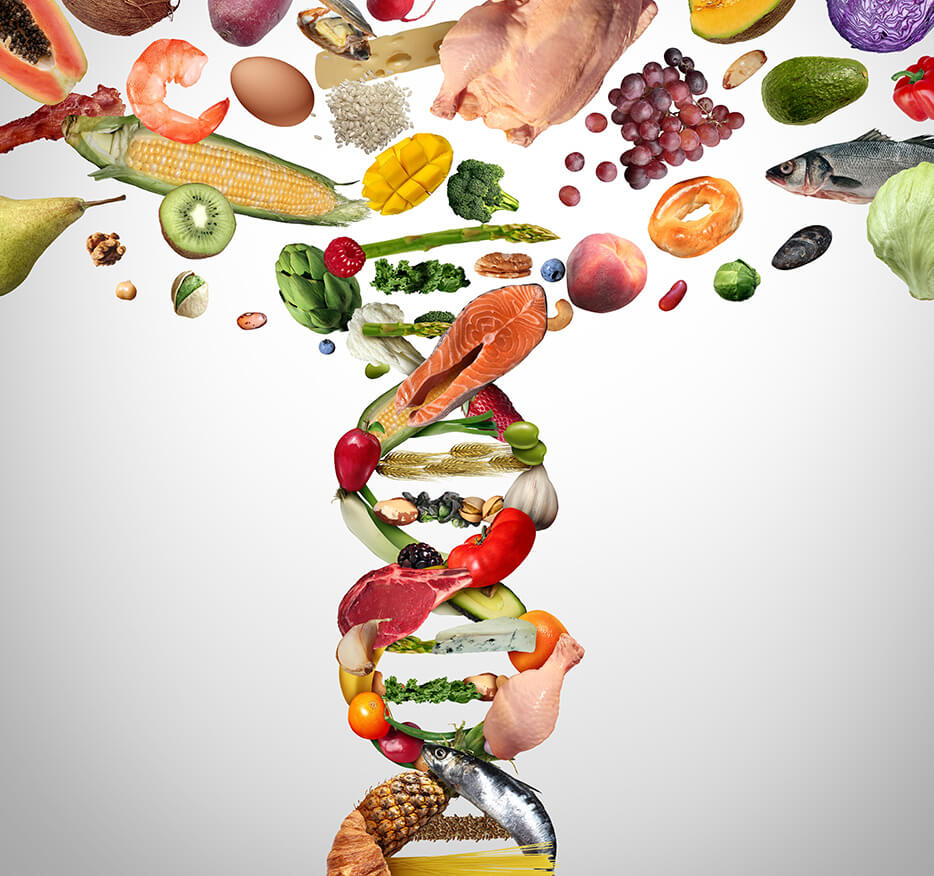
Drawing on a wide range of research in the field, this series will be both informative and fun. We will explore a variety of food-related topics such as how our evolving diets are changing us, the joy of cereal and grains, nutrition for seniors, the role of meat in our evolutionary diet, chocolate and ice cream! We will also explore Canadian food and what our culinary choices say about concepts of national history and identity.
Dr. Michael Rogers
Consider whether the widespread replacement of whole foods with ultra-processed foods (UPF) may represent a new evolutionary pressure that could shape future human adaptation. The average person living in North America consumes 48% of their calories from UPFs. How can food processing act as an evolutionary force shaping human biology and health? It begins by exploring diet as an evolutionary discourse, highlighting evidence that populations consuming high-starch diets have developed genetic adaptations, such as increased AMY1 gene copy numbers, demonstrating that food choices can influence human evolution. From the mastery of fire and cooking to the polishing of rice, these processes have already influenced human evolution. Changes in diet accelerated during the Industrial Revolution and the rise of UPFs, underscoring how modern processing technologies transformed food availability, convenience, and composition. The discussion then focuses on the health consequences associated with UPF consumption, including obesity, metabolic syndrome, and other chronic diseases.
Dr. Michael A. Rogers
Dr. Rogers is a Professor in the Department of Food Science. Before that, he held an Assistant Professor position at the University of Saskatchewan (2008-2011) and Rutgers (2011-2015). He studies the underlying mechanisms of small-molecule self-assembly and the kinetics and mechanisms of food digestion. To understand the origins of life, one must understand the moment when molecules began to defy the laws of entropy and form higher-order structures (e.g., phospholipid bilayers and DNA). Work in this area has led to 120 peer-reviewed publications, 20 book chapters and more than 100 conference proceedings.
You may contact Dr. Rogers after the lecture for questions at: mrogers@uoguelph.ca
Dr. Iris Joye
Gluten, also known as the muscle of wheat flour, plays a vital role in the production of sensory-appealing bread. This lecture will deep-dive into the unique properties of wheat gluten. Unfortunately, an estimated 1% of the Canadian consumer lives with celiac disease, while the group living with non-celiac gluten sensitivity is likely even much greater. For these people, only following a life-long gluten-free diet provides relief of the gastrointestinal discomfort experienced upon consumption of gluten. This lecture will also briefly touch on some alternative strategies that can be used to produce high-quality and healthy gluten-free bread.
Dr. Iris Joye
Iris Joye is an Associate Professor in the Department of Food Science at the University of Guelph and a fellow of the International Association for Cereal Science and Technology. Her expertise focuses on protein functionality in grain-based food products and covers both very applied projects in collaboration with industry, government and consumer stakeholders, but also encompasses more fundamental research projects aiming to design the ingredients of the future.
You may contact Dr Joye for questions after the lecture by email at ijoye@uoguelph.ca
Dr. Shai Barbut
Meat has played a pivotal role in human evolution and continues to make important contributions to global nutrition and health. Anthropological evidence, including fossil records, cut-marked bones, and stable isotope analyses, indicates that early hominins began consuming meat at least four million years ago. This dietary shift was associated with major evolutionary adaptations, including increased brain size, changes in digestive anatomy, and expansion into open grassland environments. Human anatomy, metabolism, and nutritional physiology suggest a long history of adaptation to diets that included substantial amounts of animal-source foods.
Today, meat remains a concentrated source of high-quality protein and essential nutrients, including vitamin B12, bioavailable iron and zinc, retinol, and long-chain omega-3 fatty acids. While meat contributes a relatively small proportion of global food mass and energy, it provides a disproportionate share of several nutrients that are often deficient in human populations. This lecture will examine the evidence linking meat consumption to human evolution, evaluate contemporary health concerns surrounding meat, including saturated fat and omega-3 fatty acids, and discuss the nutritional, societal, and economic implications of reducing meat consumption. Particular attention will be given to the role of meat as a nutrient-dense food that can support health and development across diverse populations worldwide.
Additional information: The Science of Poultry and Meat Processing. Free download at www.poultryandmeatprocessing.com
Dr. Shai Barbut
Shai Barbut is a professor emeritus at the Food Science Department. During his tenure at the University of Guelph, he worked on meat and poultry primary and further processing. His work focused on protein gelation, structure and function relationships within protein matrixes including the use of non-meat ingredients (e.g., salt, soy, hydrocolloid gums) to enhance texture, acceptability, and food safety.
After the lecture, you may contact Dr. Barbut for questions at: sbarbut@uoguelph.ca
Dr. Fernanda Peyronel
Join us for a fascinating journey into the world of chocolate, from its origins in ancient civilizations to the beautifully crafted confections we enjoy today.
We'll follow chocolate's story from its origins in ancient cultures to the modern chocolate bar, exploring how cacao is harvested, fermented, dried, roasted, and transformed along the way. Discover how nature influences flavor through the climate, soil, and region where cacao is grown, and how generations of chocolate makers have learned to bring out the aromas, tastes, and textures that delight our senses. We'll also uncover the secrets of tempering, the process that gives chocolate its beautiful shine, satisfying snap, and smooth melt-in-your-mouth texture.
Whether you are a chocolate enthusiast or simply curious about where your favorite treat comes from, this lecture will provide a deeper appreciation for the artistry, science, and craftsmanship that transform a humble cacao bean into a modern confection.
Dr. M. Fernanda Peyronel
Dr. Peyronel is a Senior Technical Associate in the Department of Food Science at the University of Guelph, where she has worked since 2008. With over 15 years of experience in edible fats and chocolate research, her work focuses on how processing influences the structure, texture, and functionality of foods. She earned her Ph.D. from the University of Guelph in 2015 and has conducted research at leading facilities including Brookhaven National Laboratory, NIST, and Argonne National Laboratory. Passionate about teaching and outreach, Dr. Peyronel mentors students and delivers engaging lectures and workshops on chocolate, food science, and the connection between nature, science, and food quality.
After the lecture , you may contact Dr Peyronel for questions by email at fsvaikau@uoguelph.ca
Dr. Lisa Duizer
This talk explores the evolution of food science at the University of Guelph from its origins in the Department of Dairying, established within the Ontario Agricultural College to the interdisciplinary discipline it is today. Since its inception, the department has expanded beyond dairy to encompass food chemistry, microbiology, engineering, food safety, processing and sensory science. The presentation highlights major milestones in this transformation and demonstrates how the department continues to connect fundamental science with industry and societal needs. The second half of the talk focuses on sensory perception and aging, examining how changes in taste, smell and oral processing actions influence food choice, nutrition, and quality of life. By linking departmental history with contemporary research, the presentation illustrates how food science has evolved from improving food production to enhancing health, well-being, dignity and lifelong enjoyment of food.
Dr. Lisa Duizer
Dr. Duizer is the Assistant Dean of Graduate Studies in the Ontario Agricultural College. She is a two-time graduate of the University of Guelph, having completed a Bachelors of Applied Science in Applied Human Nutrition and a Masters of Science in Food Science. She moved to New Zealand where she completed a PhD in Food Technology at Massey University before moving back to Canada where she has worked in the School of Nutrition at Acadia University in Nova Scotia and in the Department of Food Science at the University of Guelph
After the lecture you may contact Dr. Duizer for questions at: lduizer@uoguelph.ca
Dr. Douglas Goff
The “Ice Cream Short Course” for industry training began at the Ontario Agricultural College in 1914 and has been ongoing continuously since. I did a summer project on ice cream with Prof. Sandy Pearson in the Dept. of Food Science, OAC, in 1982, which led to my first scientific publication. I came back to Guelph on Faculty in 1987 and led a very active ice cream research program for 35 years and have now been teaching ice cream technology to industrial personnel and artisans for 40 years. In this lecture, I will share the science behind the product (ingredients, formulations, small and large-scale manufacturing, quality) and interweave Guelph’s historical connection over the last 110+ years.
Dr. Douglas Goff
Douglas Goff began his professional interest in ice cream at a young age, since his father worked in the industry for all of his career. He came to the University of Guelph for his undergraduate degree in Dairy Science, graduating in 1982. He attended Cornell University for his M.Sc. (1984) and Ph.D. (1987) and returned to the University of Guelph in 1987. His research and teaching interests have focussed on dairy chemistry and processing, food carbohydrates and food colloids, but he has always maintained his interest in ice cream structure, ingredient functionality and quality. He is now University Professor Emeritus (2024) and continues to teach ice cream courses at Guelph and in Ireland and Australia.
https://www.uoguelph.ca/oac/food-science/continuing-education/ice-cream
You may contact Dr. Goff for questions after the lecture at: dgoff@uoguelph.ca
Dr. Everson Nunes
Protein has become one of the most discussed nutrients in nutrition, but our understanding of how much we need—and why—has changed considerably over time. This lecture will explore the science of dietary protein with a particular focus on ageing. We will look at what happens to muscle as we get older, why the body may respond differently to protein, and what research tells us about protein needs, protein quality, timing, and food sources. We will also examine common claims about animal and plant proteins, protein supplements, and high-protein diets, separating well-supported recommendations from ideas that have moved ahead of the evidence. The lecture will also consider the interaction between dietary protein and physical activity. The goal is to provide a practical, scientifically grounded understanding of how protein can help maintain muscle, physical function, and independence as we age.
Dr. Everson Nunes
Dr. Nunes is an Assistant Professor in the Department of Human Health and Nutritional Sciences at the University of Guelph. His research focuses on nutrition, skeletal muscle metabolism, and the regulation of muscle protein turnover, with particular interest in how dietary protein, ageing, and metabolic health interact. His work uses human nutrition studies and stable-isotope methods to investigate how the body responds to different dietary and physiological conditions. He teaches physiology and nutrition and is involved in graduate education and research training at the University of Guelph.
You may contact Dr. Nunes after the lecture for questions at: everson.nunes@uoguelph.ca
Dr. Laura Carlson
What makes a food “Canadian”? From the French baguette to Neapolitan pizza, food has long been tied to national identity, memory, and belonging. Join Dr. Laura Carlson to explore the rich, surprising, and often complicated story of Canadian food: where it came from, how it has changed, and what it reveals about who we are. From Nanaimo bars to peameal bacon, we’ll trace the historical roots of iconic dishes, uncover the creativity and adaptation behind them, and consider how Canada’s diverse cultures and communities continue to shape what appears on our plates. Come hungry for history, stories, and a fresh look at the future of Canadian food.
Dr. Laura Carlson
Laura Carlson is an historian, writer, and media producer. She holds a doctorate in history from Oxford University and has taught history and food studies in England and in Canada, most recently at Queen's University and Centennial College. She is also the host and executive producer of the award-winning culinary history podcast, The Feast. As a writer and presenter, she has been featured on the CBC, Forbes, The Toronto Star, CBS Sunday Morning, and Atlas Obscura. She is currently working on a book project on the food history of Toronto.
You may contact Laura Carlson after the lecture for questions at: thefeast@thefeastpodcast.org
More information is available via her website: lauramcarlson.com
TALG welcomes your enquiries, input and feedback! We’d love to hear from you, whether you have a question, a great topic or speaker to suggest, or are interested in volunteering.
to receive notifications about upcoming lecture series, registration, and other important announcements.
You may unsubscribe at anytime using the “Unsubscribe” link at the bottom of any mailing list notification.